
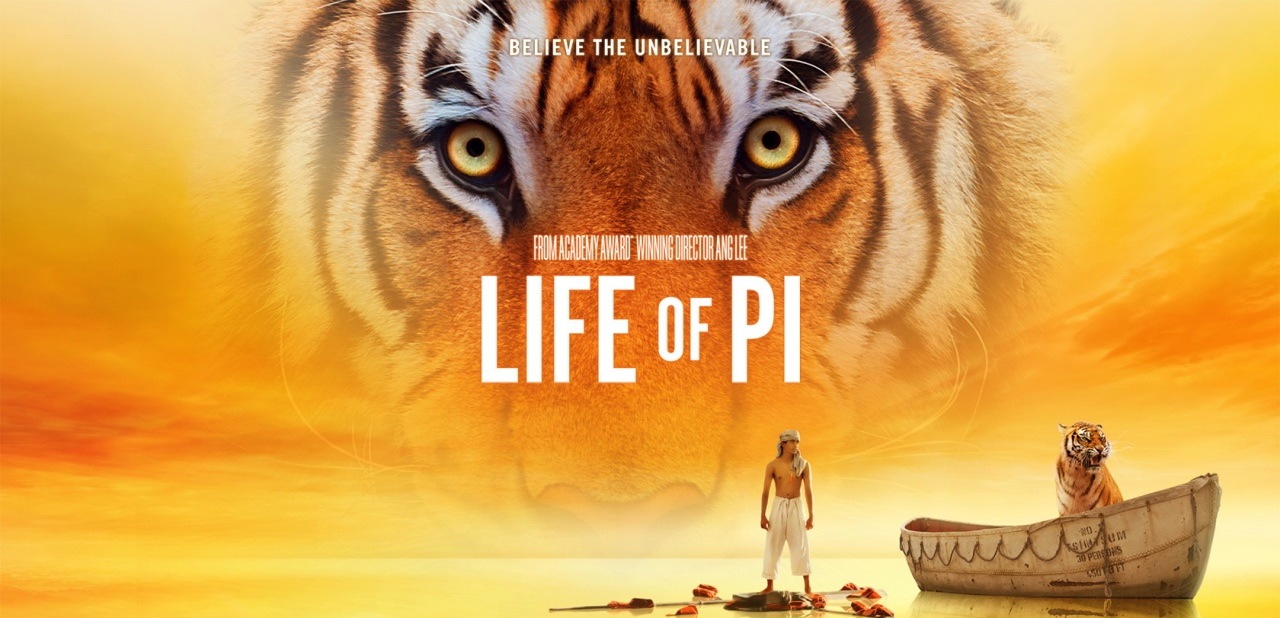
 On occasion, and not very often, I am late to the dance. Though I have been very aware of this movie and its acclaim, I only recently saw The Life of Pi for the first time. Part of the backstory is what interested me most. There is a scene in which the main character Pi, a younger person at the time, discusses his beliefs. We have already seen that he is an amalgam of Catholicism, Hinduism, and Islam. There is a growing (yet not new) understanding of faith known as religious pluralism. Recently Pope Francis was rumored to have said that, “All religions are true.” A little digging proves this is a false allegation, yet this same sentiment is becoming more prevalent. From my vantage point there are two main streams in these thoughts…
Why We Want Religious Pluralism to Work
An all-paths-lead-to-God theology is desirable because it almost certainly puts all people on equal ground both here and hereafter. We want to believe one of two equally-merited thoughts… one, that all people are generally good and should be treated as such; and two, that if a Deity does exist, his love should outweigh his justice. Further, we want to see spirituality as a series of paths, and that all paths lead to heaven or wholeness or karma or whatever the good place (reality) you may subscribe to.
Why Religious Pluralism Cannot Work
Because I have learned not to, I will not begin with the Bible. Let’s start from an intellectual point of view. Ironically and sadly enough, the term we have borrowed from geography does not work in geography anymore than it does in spirituality. All roads do not lead to Rome. Well, they do… but only if you misspell it “roam”. We know that if we head north on I-75 in Atlanta it will take us through Knoxville, TN on our way through Cincinnati, OH on to Detroit, MI and all the way to Sault Ste. Marie, Ontario, Canada. I know. I took my college roommate there to renew his Canadian visa. It will not, however, take us to Rome, Italy. No intelligent person would say so. Yet far too many believe that this same line of thought is possible in spirituality.
And then there’s the Bible. Christian, if you honestly study the pages of this book you know that it is both lovingly inclusive to all who believe, yet exclusive for those who do not. You don’t have to like this. You don’t have to agree with it. You don’t have to understand it. You can even wish that it was not so. But none of that changes what the Scriptures say. As I have argued elsewhere (and will continue to), this does not give us the freedom to beat not-yet-believing people over the head with it (the Bible). It does force us to – at least – admit that there are some final conclusions about destiny and what happens to us ultimately that are spoken of distinctly in the pages of Scripture.
In closing (and hopefully opening), my prayer for anyone reading this is that you would begin in a place of intellectual honesty. All religions simply cannot be simultaneously true. Few, if any, would allow it. But even with those facts, and from my admittedly Christian viewpoint, loving one another is not optional. Speaking kindly to people (especially when you disagree with them) is not take it or leave it. Finally, the words of Jesus in John 3.
For God loved the world so much that he gave his one and only Son, so that everyone who believes in him will not perish but have eternal life. God sent his Son into the world not to judge the world, but to save the world through him.


 Think Like Jesus
Leave a reply to Samuel Stuart Maynes Cancel reply